When we say Yes to Smart Phones, Smart Watches, Smart TVs…Then Why No to Smart Meters?
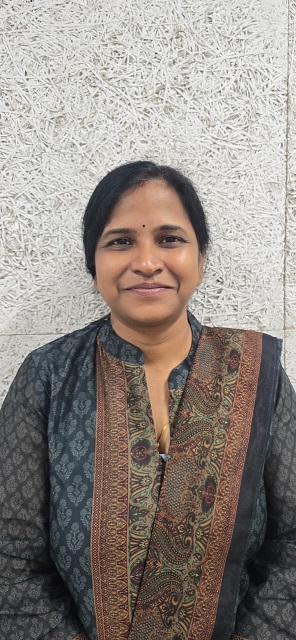
Tanuja Behera, a young woman engineer from Odisha’s power distribution sector, explains why being selective about technology makes little sense.
We live in a world where we willingly embrace smart phones, smart watches, smart TVs and wearable health devices. We trust technology to track our steps, monitor our heart rate, manage our finances, and even control our homes.
Then why does scepticism suddenly arise when it comes to smart meters?
You cannot be selectively smart when it comes to technology.
True smartness is not just about personal convenience, it should benefit your family, society, and the country at large.
Cutting Through the Noise
Like with any transformative reform, doomsayers emerge with concocted stories and exaggerated fears. Many of these claims—similar to the alarmist narratives seen in unrelated debates, are not backed by facts or science.
Smart metering in India is not an arbitrary experiment. It is guided by national experts, structured policy frameworks, and rigorous technical standards.
Smart meters are implemented under the National Smart Metering Mission, with guidelines framed by expert bodies including CERC (Central Electricity Regulatory Commission). These meters follow strict Indian standards and testing protocols to ensure accuracy, safety, and consumer protection.
Smart Meters: Empowering Odisha Consumers
Across Odisha, households are feeling empowered with the installation of smart meters. Safety, reliability, and transparency are at the core of this transition.
Smart meters enable consumers to:
• Track electricity consumption accurately and in real time
• Receive bills based on actual usage, eliminating estimated or faulty readings
• Experience faster fault detection without waiting for manual inspections
• Avoid repeated visits by meter readers or electricians
These devices are inherently pro-consumer. They remove long-standing issues associated with static meters—such as faulty readings and delayed fault identification, while offering stable performance and long-term reliability.
Smarter Planning, Lower Bills
With better visibility into consumption patterns, consumers can now plan high-usage activities more efficiently over time, helping them manage and potentially reduce their electricity bills.
By reducing power theft and technical losses, smart meters also ensure that honest bill payers benefit through improved service quality and a stronger distribution network.
Ready for the Future: Solar Integration
Smart meters are future-ready. Their ability to integrate seamlessly with rooftop solar systems allows consumers to monitor solar power generation in real time, track surplus electricity exported to the grid and prepare their homes for clean energy adoption in the future.
Tested, Certified, and 100% Safe
Every smart meter installed is manufactured by reliable companies and tested strictly as per Indian standards. These meters are certified in NABL-accredited laboratories (National Accreditation Board for Testing and Calibration Laboratories).
Each meter undergoes five critical tests to protect consumer interests:
1. Accuracy Test – Ensures exact measurement of electricity usage
2. No-Load Test – Confirms the meter records zero units when appliances are off
3. Meter Constant Test – Verifies consistent and correct internal functioning
4. Display Test – Ensures clear, readable display for consumers
5. Communication Test – Confirms accurate and secure data transmission
Building Trust Through Transparency
Smart meters represent a transformative shift in Odisha’s power distribution ecosystem. By combining transparency, automation, and technical robustness, they strengthen consumer trust and enable efficient energy management.
This is not just about technology—it is about fair billing, reliable power, cleaner energy, and a modern, resilient electricity system for Odisha.
As engineers, we rely on data, not rumours. And as consumers, we deserve systems that are built on facts, not fears.