Vedanta’s Nand Ghars boost childhood nutrition and learning across rural Odisha
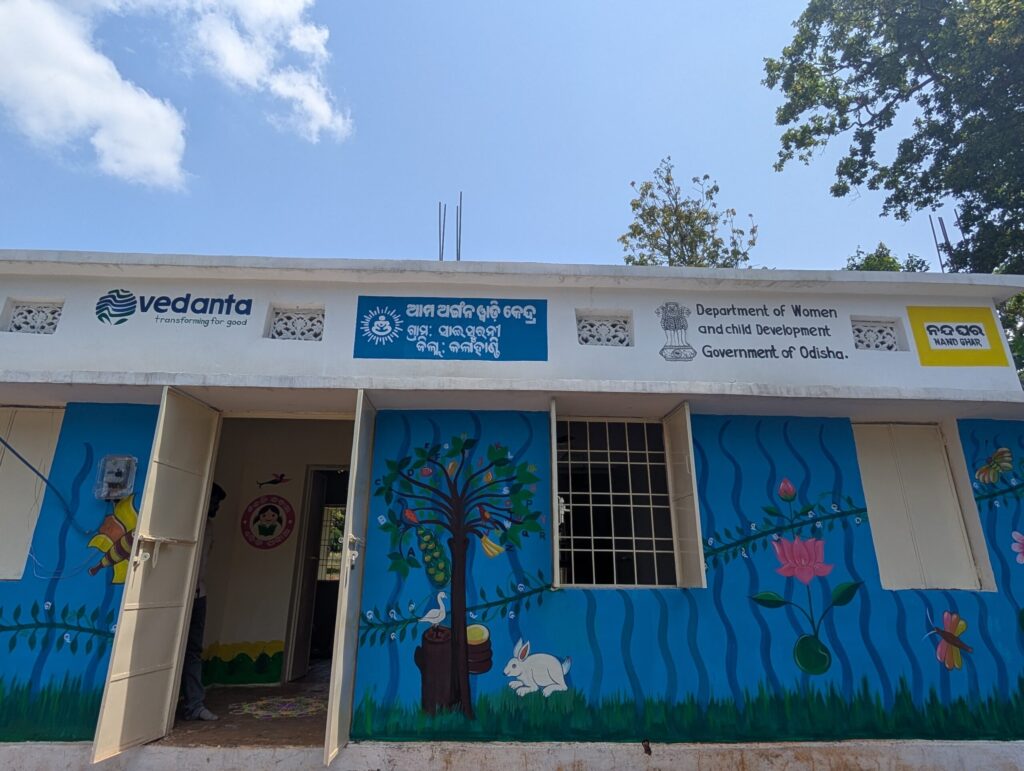
Bhubaneswar 18th May 2026: For many families across Odisha’s remotest districts, anganwadi centres remain the firstand often onlypoint of access to structured learning, nutrition, and public health services. Yet, persistent challenges continue to existin providing this essential service, ones created by distance, limited infrastructure, and inadequate awareness.
Nand Ghar, Vedanta’s flagship community development project, aims tochange this narrative by reimagining anganwadis across Indiaas modern community hubs for nutrition, digital early learning, healthcare, and women empowerment.Now, Vedanta Aluminium, through the Anil Agarwal Foundation and in partnership with the Ministry of Women & Child Development and the Odisha government, is working to strengthen rural developmentsystems by transforming hundreds ofanganwadi centres across districts such as Jharsuguda, Rayagada, and Kalahandi into VedantaNand Ghars.
The need is significant. As per the National Family Health Survey-5 (2019–21), anaemia affects nearly 65% of all children upto 5 years of age in Odisha, indicating high levels of nutritional vulnerability during the most critical years of development. Assessments undertaken by the NITI Aayog further highlight that a majority of districts in the state continue to report malnutrition as a key public health concern.
While national initiativessuch as theIntegrated Child Development Services and Poshan 2.0 have expanded access significantly, the focus needs to now be on ensuring that theytranslate into measurable improvements in nutrition, learning, and health outcomes at the grassroots.Nand Ghars are well-positioned to augment this effort, transforming India’s ubiquitous anganwadis into modern, community-centric spaces that offereasier access to early education, nutrition, and avenues for women’s empowerment.
Inside a Vedanta Nand Ghar, learning is designed to bestructured and interactive, encouraging more children to visit the centreregularly.Often locatedin remote areas wherechildren may find it expensive and difficult to access learning materials, the walls of a Nand Ghar are designed to serve asvividteaching aids, whilesmart TVs introduce children to engaging newmodes of learning.The solar-powered buildings ensure continuity in low-electricity areas, while access to clean drinking water and improved sanitation supports better attendance and health outcomes.
“My childlovescoming here every day. Theyhave a TV to learn and play games andget to learn a lot of new conceptsin an interactive and engaging way,” says, Savita Puri, the mother of a six-year-old student at a Nand Ghar in Jharsuguda.
For many children, especially first-generation learners, this early exposure helps build familiarity with structured learning before formal schooling.The shift is equally visible among young mothers.
“Earlier, we did not know what kind of food was important for children. Now we are more aware of which meals are the most nutritious for our children,andhow to take better care of their health,” shares Sasmita Bag,a young mother from Kalahandi district.
Nutrition delivery at Nand Ghars is supported by awareness and behavioural change efforts. Community sessions and demonstrations guide families on diet diversity, while kitchen gardens help promote the use of locally available produce.
The scope extends beyond nutrition and education. Through convergence with ICDS, Nand Ghars also serve as touchpoints for immunization tracking, growth monitoring, and maternal health awareness, critical in districts where healthcare access remains limited.
The centres are also emerging as spaces for women’s engagement beyond childcare.The centres provides themwithentrepreneurship training and access to credit linkages, enabling women to start their micro-enterprises and independently earn their livelihoods.
“I come here for training and meetings. It is helping me learn new skills and consider about earning something on my own,” says Apekhita Nayak associated with a self-help group in the district.
Such engagement contributes to income opportunities while strengthening confidence and participation in household decision-making.
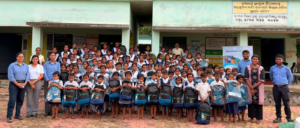
Across Odisha, Vedanta Aluminium supports over 600 Nand Ghars, creating a growing network with significant presence in underserved regions. Till date, these centres have reached over 9000 women and 36,000 children, strengthening access to early education, nutrition, and skilling services.
At a broader level, Odisha’s development trajectory is often shaped by its natural resource base, with most companies concentrating development efforts in the vicinity of their operations.Recently, a newNand Ghar was inaugurated by Vedantain Gunpur, Kalahandi, thecompany’s latest such centre in Odisha. It indicates how industrialisation and socio-economic progress can go hand-in-hand, potentially creating opportunities for infrastructure development, local enterprise, and employment.
Together, Vedanta’s Nand Gharsare transforminghow grassroots development is delivered and experienced.Across Odisha, they are enabling asignificanttransition, making early education, nutrition, and community engagement more accessible, consistent, and impactful.