Bauxite for Development: Odisha’s Opportunity, India’s Advantage
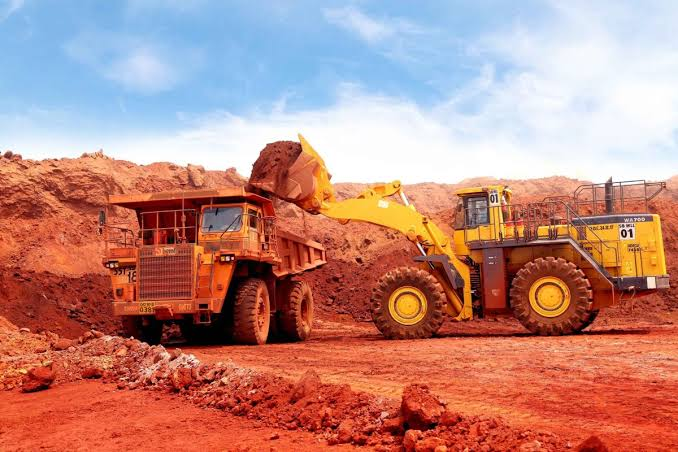
Bhubaneswar: As the world’s second most widely-consumed metal after steel, aluminium is one of the most strategic significant materials of the 21st century. It is indispensable to the sectors that will define India’s future: be it renewable energy, electric mobility, aerospace, defence, infrastructure and several others. Securing reliable access to the raw materials that power aluminium production has thereforebecome a strategic imperative, and at the heart of this opportunity lies bauxite.
Odisha possesses some of India’s richest bauxite reserves, including significant deposits in Kalahandi, yet much of this potential remains untapped even as the state hosts some of the world’s largest alumina refining and aluminium manufacturing plants.Opening and sustainably managing these bauxite resources could trigger a new wave of investment, jobs and district-level development, while helping realise the state’s Viksit Odisha 2036 vision and supporting India’s long-term manufacturing competitiveness, industry observers said.
Kalahandi’s bauxite should not be viewed merely as an ore to be extracted. It is the first link in a much larger development chain from mining and refining to manufacturing, logistics, MSMEs and public revenue. With Odisha already having significant alumina refining capacity, responsibly opening suitable bauxite resources can help strengthen the existing ecosystem and create more productive employment in the region,” said Mr. Shiba Mahakud, Ex Director Geological Survey of India.
From Mineral Wealth to Investment and Jobs
Bauxite is the starting point of the aluminium value chain. A reliable domestic supply of the ore can help existing refineries operate to their maximum potential, improve investment confidence and support further downstream capacity in the state. Presently, top producers have reported shortfalls in bauxite supply, leading to chronic underutilisation and state revenue losses.For Kalahandi, responsible mining could create a direct development pathway from investment in mining and infrastructure to jobs, local enterprise and enhanced growth.
The first impact would be on investment. Mining projects require considerable expenditure on exploration, equipment, logistics, safety and environmental management. This creates opportunities for local contractors and suppliers much before production begins, invigorating the region’s MSME growth. The employment impact extends beyond direct mining jobs. Opportunities can emerge in core operations, maintenance, quality labs, safety services,and construction, opening up access to roles closer to home for the region’s youth.
The fiscal dividend is equally important. Odisha’s focus on increasing mineral production needs to also encompass a timely policy gateway to connect resource utilisation with measurable public outcomes. Mining generates significant royalties, taxes, fees and District Mineral Foundation contributions. These are invested into projects to support drinking water, roads, healthcare, schools and skilling. Kalahandi offers a relevant example of how a major industrial anchor can positively influence its surroundings. The region has established significant alumina refining capacity, with businesses also supporting local healthcare initiatives, education programmes and small businesses
However, this development cycle remains incomplete when existing refining capacity does not receive adequate local bauxite and has to rely on supplies from outside the state. Underutilised capacity means lost production, lost jobs and lost economic value for Odisha. Ensuring reliable access to locally available bauxite is therefore keyto deliver the state’s full economic potential.
“The important question is not simply how much mineral is produced, but how much value remains within Odisha. Local bauxite access can create a multiplier effect through higher investment, public revenues, stronger local businesses and better social infrastructure. This is how mineral wealth becomes a development strategy. Advanced economies such as Australia and Canada have shown how mining can support broader economic ecosystems when extraction is connected to processing, skills, technology and local enterprise. Odisha can pursue a similar model through local refining, downstream manufacturing and stronger supplier networks”,Mr. Shiba Mahakud, Ex Director Geological Survey of India said.
Contemporary mining practices operate under stringent regulatory oversight, with progressive mine closure, ecological restoration and land reclamation built into project design prior to commencement. Exhausted mines in several global locations are increasingly being reclaimed, re-greened and returned to productive use, including agriculture. In Western Australia, mined-out bauxite areas have been restored to forest ecosystems, while in India, reclamation efforts at Goa’s Sanquelim mine have resulted in extensive re-greening and community-use infrastructure on former mining land.
Allnew mining projects must prioritise applicable clearances, meaningful consultative processes, rehabilitation commitments, progressive mine closure planning and local hiring. The state could also publish district-level dashboards covering mining revenue, DMFspending, local employment and procurement from local enterprises, creating a framework for sustainable mining that can be replicated nationally. This transparency would make the benefits visible and strengthen public confidence.
For regions like Kalahandi, the choice should not be framed as development versus responsibility. With safeguards and community participation, responsible bauxite mining can support both. Opening suitable resources can boost investor confidence, improve capacity utilisation and advance Odisha’s role in India’s journey towards self-reliance. The opportunity is to convert the state’s latent mineral wealth into visible progress through investment, jobs and development across the state.–