SBI Banking and Economics Conclave 2026 inaugurated by Dr. P. K. Mishra
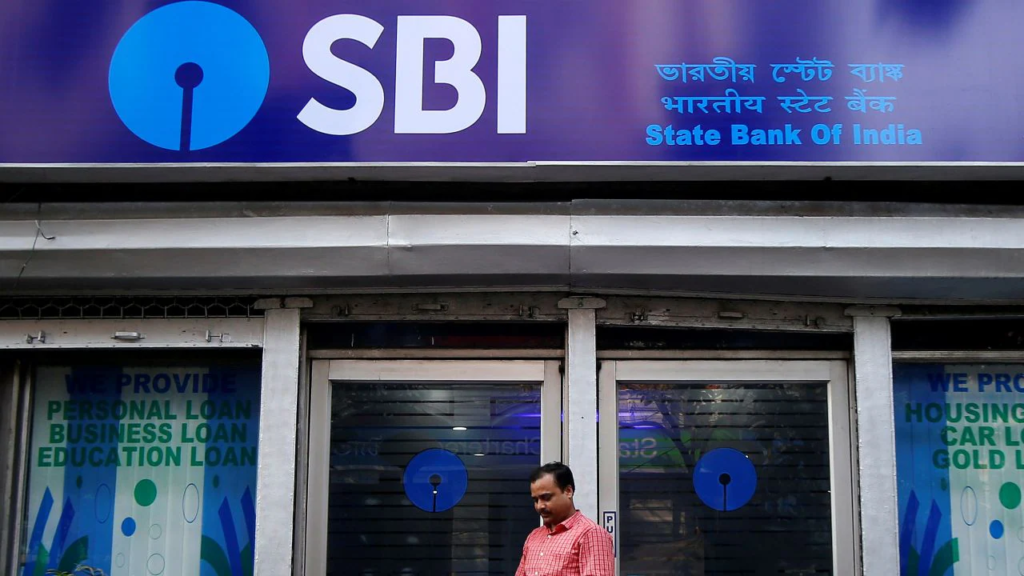
Principal Secretary to the Prime Minister Dr. P. K. Mishra today addressed the inaugural session of the 13th SBI Banking and Economics Conclave 2026, held in Mumbai, on the theme “From Emerging to Leading: India’s Expanding Role in the Global Economic Order.”
Dr. Mishra said India’s journey from an emerging economy to a leading economy is not merely a question of economic size, but fundamentally an institutional journey. A leading economy, he said, must be able to grow, absorb external shocks without disproportionately transmitting them to households and the financial system, and increasingly contribute to the well-being of the global economy.
Highlighting the foundations of India’s stronger economic architecture over the past decade, Dr. Mishra pointed to macroeconomic stability, fiscal consolidation, stronger bank balance sheets, the Insolvency and Bankruptcy Code, GST, digital public infrastructure and increased public capital expenditure. He noted that capital expenditure has risen from about ₹2.5 lakh crore in 2015-16 to more than ₹12 lakh crore in 2026-27, strengthening the productive foundations for private enterprise.
Dr. Mishra said the transformation of India’s digital public infrastructure, from Jan Dhan-Aadhaar-Mobile and Direct Benefit Transfer to UPI, Account Aggregator and digital lending infrastructure, has the potential to fundamentally expand access to credit. “The financial system must now increasingly move from accommodating growth to enabling growth,” he said.
Emphasising the importance of resilience, Dr. Mishra said the COVID-19 pandemic, the Ukraine conflict and recent disruptions arising from the West Asia crisis demonstrated the value of institutional and financial capacities built during periods of relative stability. He noted that India’s economy has grown at an average rate of more than 7 per cent in real terms since the pandemic, while growth in the first quarter of the current year stood at 7.8 per cent.
Dr. Mishra also highlighted risks arising from fragmented global alliances, rising trade barriers, import dependence, pressures on external accounts and the rapid development of Artificial Intelligence. He stressed the need to strengthen domestic manufacturing, skilling, foreign direct investment and the broader competitiveness of the Indian economy.
Calling for a shift “from collateral to cash flow”, Dr. Mishra said technology can enable financial institutions to assess enterprises more effectively through GST returns, bank statements, payment flows and other digital information. This, he said, can particularly benefit first-generation entrepreneurs, asset-light businesses and small enterprises whose creditworthiness lies in the strength of their businesses rather than in family-owned assets.
Dr. Mishra emphasised that India’s growing investment requirements cannot be financed by banks alone. Deeper corporate bond and equity markets, larger institutional investors, infrastructure funds and more efficient channels for converting domestic savings into productive investment will be essential to finance infrastructure, manufacturing, urbanisation, energy transition and innovation.
On India’s global economic ambitions, Dr. Mishra said the country has an opportunity to move from being primarily a large market to becoming an important production and innovation hub. He called for greater domestic value addition, stronger component ecosystems, design capabilities, intellectual property and globally competitive Indian brands. The journey, he said, must progress from “Make in India, to Design in India, Innovate in India and ultimately Lead from India.”
He also highlighted the potential of GIFT-IFSC, wider settlement of trade in rupees and Indian digital payment platforms in supporting India’s expanding international economic engagement. With greater economic weight, he said, India will have a greater responsibility to participate in shaping the standards, norms and institutions governing global commerce and finance.
Dr. Mishra underlined that resilience and credibility are built over time through sound institutions, consistent policies and effective delivery. He said India’s recent sovereign rating upgrades are an external reflection of changes built over many years, while cautioning that the broader lesson is that “credibility comes from consistency.”
Concluding, Dr. Mishra said the India of 2047 cannot simply be the India of today with a larger GDP. It must be a more productive, innovative, technologically capable, financially sophisticated and globally competitive economy. He called upon government, industry, financial institutions, economists and policymakers to work together to finance the next generation of Indian enterprise and convert India’s economic scale into productive capability and global leadership.